

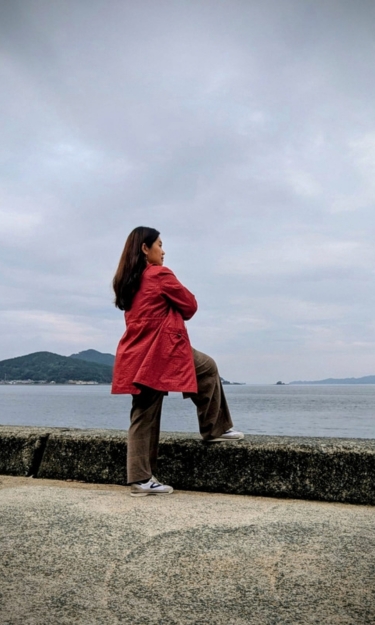
Two months doesn’t sound like a very long time, but when I think about everything that has happened to me so far here in Japan, it actually feels like I’ve lived through quite a lot already. Maybe part of the reason is that I got a little tired trying to keep up with everything in the beginning. The commute. The school routines, The garbage collection. The grocery shopping.
I’ve spent a lot of those weeks constantly recalibrating myself to a new environment, but now that I’m settling in a little, I’ve come to appreciate it and have become more curious about what makes all their efficiency work. This interests me because I love systems, processes, and mechanisms.
I’m experiencing a way of life that works differently from what I’ve been used to and I have this growing theory that part of what contributes to the efficiency I’m immersing myself to here in Japan is the combination of systems and consideration for others.
What if we could take a good idea from here and make it work for us back home? This is one major realization from my first two months in Japan as a JET ALT that I want to take home.
I’m convinced now more than ever that good habits are easier to build when the environment supports them.
Before coming here, I used to think of good habits mostly as a matter of self-discipline. If you want to be physically fit, you have to exercise regularly. If you want to keep things orderly, you have to be responsible. If you want to develop good habits, you need to stay consistent. For these outcomes, we need self-control and commitment which all boils down to discipline.
But after two months of experiencing and immersing myself in everyday life here in Japan, these questions started to surface for me.
How much of our behavior is really about discipline? How much is shaped by the environment around us? And what could we change if we designed our environments to make good habits easier?
Are we really lacking discipline or are we sometimes working against our environment? What if good habits don’t always begin with changing ourselves, but with changing what surrounds us? And what ideas from Japan could we take home and adapt to our own communities?
I’m not here to compare the Philippines with Japan nor am I suggesting that one country has everything figured out and the other doesn’t. But I do believe that when we encounter an idea that works well in another environment, it’s worth asking whether we can learn from it.
And there are three everyday things I’ve been noticing during my first two months here that have particularly caught my attention. They are garbage collection, public transportation, and the use of public spaces. What interests me isn’t simply what people do, but how the environment and the systems around them make certain behaviors easier to follow.
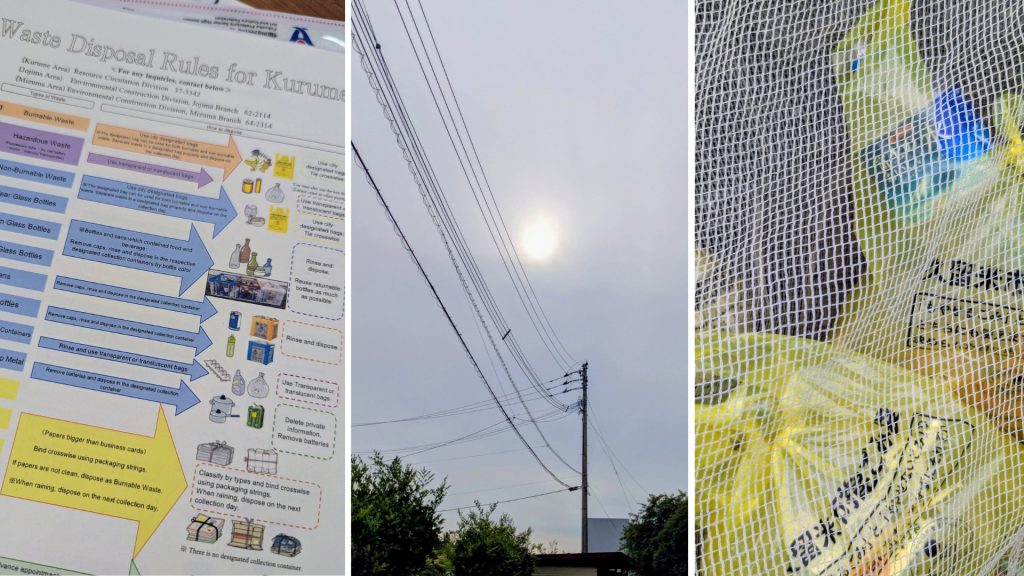
Take for example, the garbage sorting done here. There are specific collection days and clear categories. There are rules on what goes where. In my two months’ of stay here, I’m no longer challenging myself to be better at recycling or disposing. The city hall even gives out a one-year calendar of their collection days. The rules are specified on which plastic bags to use. The system makes it so much easier to just do it and you don’t even need discipline for it.
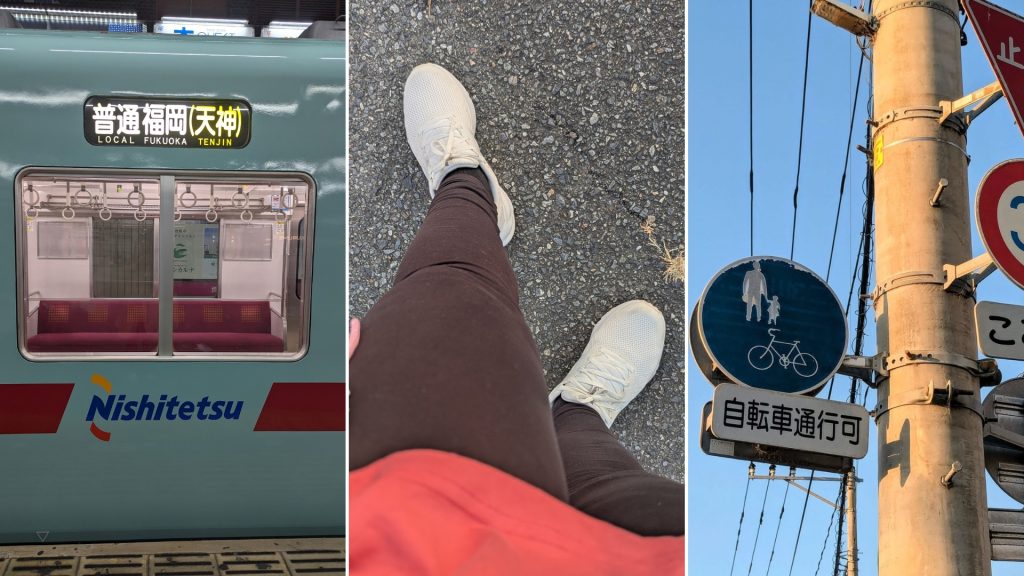
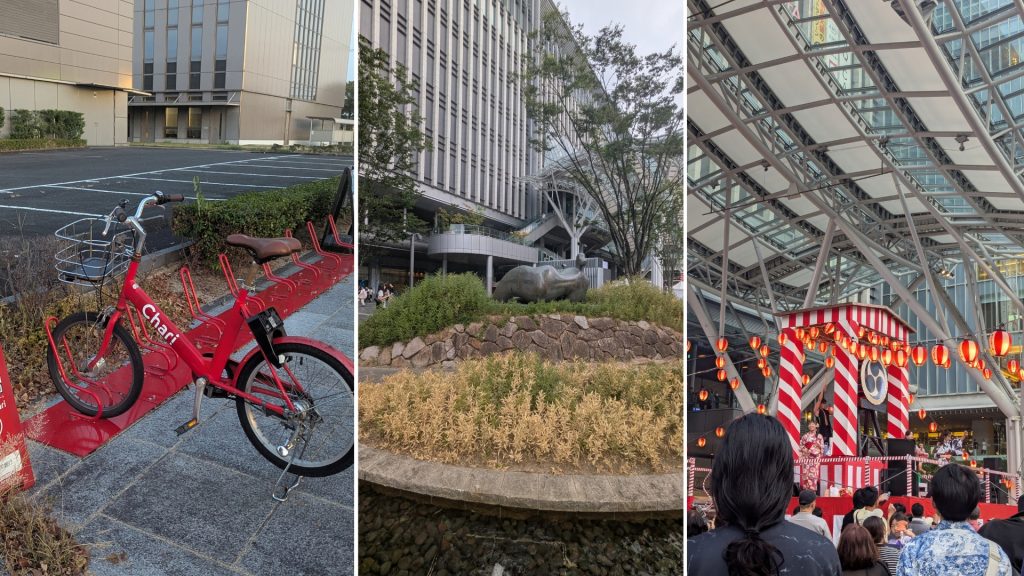
The same thing happens with their public transportation here in Japan. There are signs everywhere telling you where to stand, where to wait, where to go, and what to do. People generally line up for their turn. There are apps that help you navigate routes, schedules, transfers, and delays. Inside buses and trains, there are reminders about keeping noise down and being considerate of other passengers.
Again, I’m not saying that people here have some magical amount of self-discipline that the rest of us don’t have. The environment supports the behavior that is expected. The signs remind you. The systems guide you. The routines reinforce the behavior. And eventually, many of these things become habits.
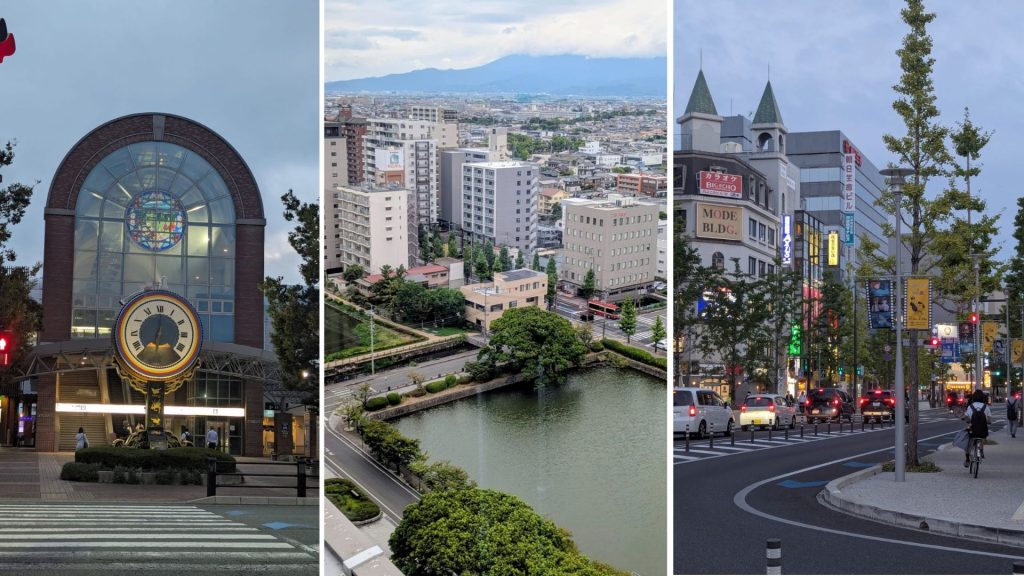
And then there are public spaces. One thing I’ve become more conscious of here is the idea that a public space is truly shared. A park, a sidewalk, a public toilet, a library, or a community facility isn’t really owned by the person using it at that particular moment. Someone else will use it after you. When the space itself is organized and the expectations are visible, it becomes easier for people to participate in maintaining it.
Of course, all of these systems are not perfect and I’m still very much a newcomer observing them and immersing in them. But their system itself helps people know what responsible behavior looks like and their environment constantly gives cues on what to do.
I’m not suggesting for us Filipinos back home to be more like Japan. It’s more of looking at these Japanese ways as ideas that could potentially be adapted to our own communities to make life a little better.
This is the perspective I want to bring home. Having seen all of these here has reinforced my conviction that good habits don’t always have to rely on willpower or motivation. Yes, I believe in personal discipline, but I now advocate for creating an environment that makes discipline easier.
At the heart of what I’ve experienced as efficiency here, I think, is concern and consideration for others.
Every day, I see people practice small acts of consideration at the train stations, sidewalks, grocery stores, at the cafeteria, even at our apartment building. And all of these daily routines I see seem small on an individual level, but when I look at the big picture that they all form part of a system that functions, it fascinates me. It truly does.
I still find it surprisingly heartwarming when someone says “sumimasen,” “gomennasai,” or “arigatou.” It’s reassuring knowing that an apology is given for a small inconvenience. Sometimes, it’s nice that you get an acknowledgment that you’ve helped them. Sometimes it’s validating that there’s simply a polite recognition of another person’s presence. They are not big gestures of care, but they tell me that these people see me, they recognize that their actions might affect me, and they are accommodating my existence.
I know by textbook definition what efficiency is, but living in Japan has given me another layer to it. Sometimes, efficiency is what happens when people understand that their behavior is connected to everyone else’s. A clear system tells you what to do, but consideration for others gives you a reason to do it.
And this has made me think about the Philippines, too.
We Filipinos are often described as deeply family-oriented. We care deeply for our parents and grandparents. We look after our relatives. We show up for family celebrations, help one another through difficult times, and often make significant sacrifices for the people we love.
Our capacity to care is certainly there, but living here in Japan has made me notice another kind of consideration that I don’t think we talk about as much and that is consideration for people we don’t necessarily know.
The person sitting beside you on the train. The person who will use the public space after you. The person standing behind you in line. The person who will have to deal with the garbage you leave behind.
What if the same care that we so naturally extend to our families could also be extended, in small ways, to the people who share our communities?
I’m not suggesting that Filipinos don’t care about others. I’m just wondering whether our definition of others could become a little wider. Perhaps there is a difference between caring for the people we love and developing everyday habits that make life easier for people we may never meet.
And I’ve started to wonder whether this kind of consideration, when combined with good systems, contributes to the efficiency I’ve been experiencing here.
Maybe two months is not enough to start wondering…
Perhaps some people will read this and think, “You’ve only been in Japan for two months. Isn’t that too soon to be making observations about what could be taken home and implemented elsewhere?”
Yes, and honestly, that’s a fair question. Two months is not enough to understand an entire country.
I’m still very much a newcomer. I’m still learning the language, figuring out the systems, discovering the culture, and realizing how much I don’t know. And I’m certainly not here to tell the Philippines how things should be done.
I’m not a politician. I’m not a policymaker. I’m a JET ALT. I’m here primarily to assist in teaching English and, in my own small way, to serve as a bridge between two cultures.
But I don’t think you need to live somewhere for ten years before you are allowed to notice something that makes you think. You simply need to remain curious enough to observe. For me, this is what living abroad has always been about.
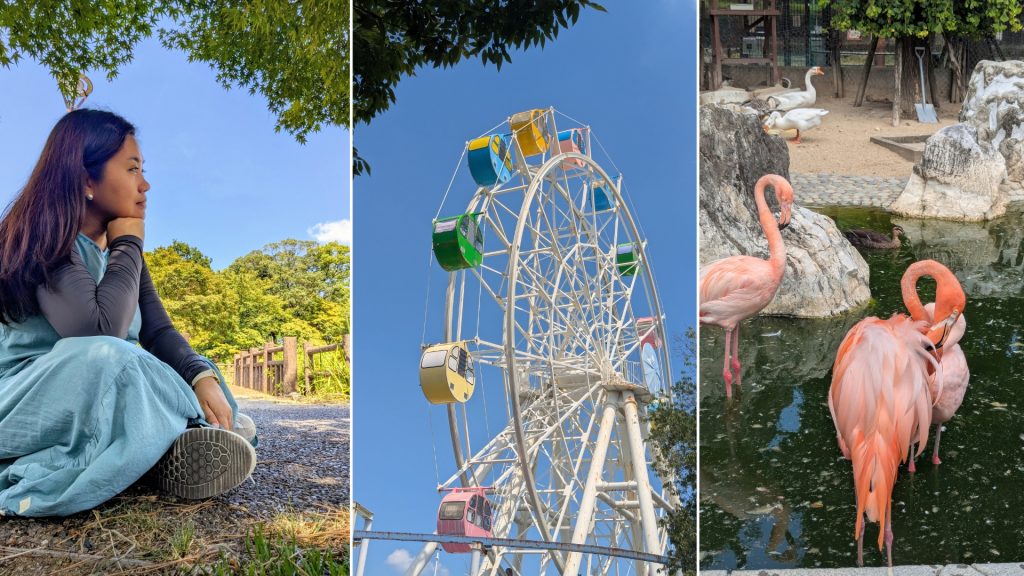
I’ve lived in different countries before, Brunei and Sri Lanka respectively, and each place has challenged some of my assumptions about how life should work. This time, it’s Japan that’s making me realize things.
I don’t want to just admire these good ideas from afar. While I’m discovering Japan, I’m also discovering possibilities for my home country. I don’t need to immediately turn every observation into a recommendation or a solution, but I can simply allow myself to be influenced by the good things I encounter.
It doesn’t hurt to allow good systems to teach me something. It doesn’t hurt to allow good values to change me.
Maybe, someday, those small changes in how I think, behave, teach, and interact with others will ripple outward in ways I can’t yet see. And for someone like me who loves to wonder, observe, and understand the systems behind the things we do, that’s already a pretty meaningful beginning.
(We write our content in the hope of making you, our readers, feel a little more inspired in a time when you’re probably feeling low. We hope you feel a little lighter after visiting our site. Then, we know we’ve served our purpose.⭐)
🍀 Let’s Stay Connected
If this post resonated with you, let’s keep in touch. I share more on:
- ✈️ Travel, cozy cafes, food discoveries, and freelance life on Instagram and Facebook
- 🧠 Mindful productivity, instructional design, and digital business on LinkedIn
- 💻 Plus, I regularly share digital products and courses to support freelancers, educators, and startups on all three platforms.
Let’s connect. I’d love to learn about your journey too!
