


Yes, I’ve finished another K-drama, Can This Love Be Translated, and I have to say, this drama made me so happy. Warmly, uncynically, fully happy. And it quietly asked me something I’ve been sitting with ever since. What does it actually take to truly understand another person…and are we willing to do that work?
Moral Takeaway
Love Is Not Just a Feeling but a Language We Have to Learn
Every person you meet speaks a language shaped entirely by their own story, their upbringing, the love they received or didn’t receive growing up, the fears they carry quietly, the wounds they haven’t quite named yet, the way their family showed or withheld affection. None of that is visible on the surface. And yet all of it shapes how a person gives love, receives love, asks for reassurance, or pulls away when things get too close.
We don’t fall in love with a person. We fall in love with the version of them we understand and then real love begins when we commit to learning the rest.
The moral this drama carries isn’t that love conquers all. It’s something more honest and more useful than that: love is the willingness to keep learning someone. To sit with what you don’t yet understand about them instead of assuming the worst. To ask rather than presume. To stay curious about a person long after the novelty of them has worn off.
That is the kind of love worth finding. And according to this story…it is possible. That is what made me feel so warm watching this. Not fantasy. but just a quietly real kind of love.
Personal Reflection
We All Speak a Language No One Fully Taught Us
What stayed with me most from Can This Love Be Translated wasn’t any single scene. It was a feeling that built slowly across the whole drama the feeling of watching two people genuinely try to understand each other. Not perform understanding. Actually try.
And it made me think about how rare that is.
Because here is the truth I had to sit with. Most of us walk around speaking a language that was shaped by things that happened to us long before we were old enough to choose. A parent who showed love through criticism. A household where emotions weren’t named. A heartbreak that quietly rewrote the rules. Trauma has a grammar all its own and we speak it fluently without even realizing it.
The person in front of you is not difficult. They are just speaking a language you haven’t learned yet.
I thought about the relationships in my own life where I wished someone had paused long enough to ask what I actually meant, rather than reacting to how it came out. And I thought about the times I hadn’t done that either when I’d assumed instead of asked, when I’d been so fluent in my own emotional language that I forgot the other person was speaking a completely different one.
This drama made me want to be a better listener. Not just in romantic love, but in all of it. With friends, with family, with students, with the people I work with. Everyone has a language. Most of us just need someone patient enough to learn it.
For those who are longing to love and be loved and I think that is most of us, even when we are very good at pretending otherwise, Can This Love Be Translated feels like a gentle reminder that you are not too complicated to be understood.
You just haven’t found someone fluent in you yet.
And that person exists.
Actionable Insight
Three Ways to Start Speaking Someone’s Language Better
This drama left me warmly hopeful and with a few quiet invitations to show up differently in my own relationships. Here are the three I’m carrying with me:
01 — Ask, don’t assume.
The next time someone you love reacts in a way that confuses or hurts you, try one question before a reaction: “Help me understand what you meant by that.” Four words. They change everything. Most misunderstandings are not about what was said, they’re about two different emotional languages colliding without a translator.
02 — Learn your own language first.
Before you can be understood, you have to understand yourself. Take ten minutes this week to ask, “What did love look like in my home growing up? How did the people around me handle fear, conflict, or need?”
You might find the roots of a language you’ve been speaking unconsciously your whole life and that awareness alone changes how you connect with others.
03 — Stay curious about the people you love.
Familiarity is beautiful, but it can also make us lazy listeners. Pick one person you love and ask them something genuinely new this week. Not ‘how was your day’ but something real. What they’re afraid of right now. What they’ve been quietly proud of. What they wish people understood about them. You might be surprised how much of them is still waiting to be discovered.
A Final Thought
Can This Love Be Translated is the kind of drama I want to hand to anyone who has ever felt too complicated to be loved, or too tired to keep trying to understand someone else. It is a small, warm, genuinely hopeful story and in a world that often feels chaotic and loud and unkind, I think we need more of those.
Because here is what I believe after watching it, love is possible. Real, patient, curious, showing-up-even-when-it’s-hard love is possible. And it begins not with the right person appearing, but with the decision to become someone who keeps learning the people they love.
That, to me, is one of the most beautiful translations of all.
Did this one land close to home?
I’d love to hear what love language you’re still learning to speak or learning to receive. Drop it in the comments. This is a safe, warm corner of the internet and your reflection might be exactly what someone else needed to read today.
👉 [Back to The Drama Classroom]
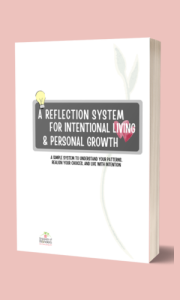
Stories like this always make me reflect on my own life, choices, and patterns. I’ve turned this into a simple reflection system you can use here: A Reflection System for Intentional Living & Personal Growth Printable for $5.95.
(We write our content in the hope of making you, our readers, feel a little more inspired in a time when you’re probably feeling low. We hope you feel a little lighter after visiting our site. Then, we know we’ve served our purpose. ⭐)
If this post resonated with you, let’s keep in touch. I share more on:
